
The meticulous and often painstaking process of art restoration has traditionally been a blend of art and science. Restorers rely on a variety of methods to bring faded, damaged, or dirty artworks back to their original splendor. These methods range from gentle cleaning with solvents and brushes to more invasive techniques like varnish removal and repainting. While these approaches have been honed over centuries, they carry inherent risks. Solvents can sometimes react unpredictably with the original materials, and physical cleaning methods might cause abrasion or further damage to delicate surfaces.
Furthermore, traditional restoration is a time-consuming endeavor, requiring immense patience and expertise. This meticulous attention to detail ensures that the artwork’s integrity and authenticity are preserved, but it also means that restoration projects can span months or even years, depending on the artwork’s condition.
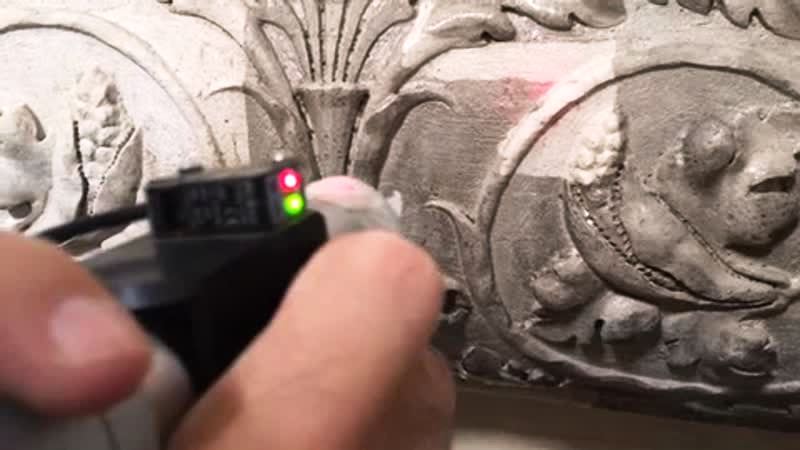
Enter the realm of laser cleaning, a modern marvel in the field of art restoration. Utilizing precise and controlled laser beams, this method allows restorers to remove contaminants from an artwork’s surface without physical contact. This innovative technique presents a leap forward in restoration technology, offering a solution to many of the challenges posed by traditional methods. Laser cleaning boasts unparalleled precision, ensuring that only the unwanted materials are removed while the underlying artwork remains unscathed. This method not only opens up new possibilities for restoring artworks that were previously considered too fragile or damaged but also significantly reduces the time required to complete a restoration project.
As we delve deeper into the world of art restoration, laser cleaning emerges as a beacon of hope, offering a safer, faster, and more effective solution for preserving our cultural heritage.
Understanding Laser Cleaning
At its core, laser cleaning in art restoration involves the use of focused laser beams to remove contaminants from the surface of artworks. This process harnesses the energy of light to dislodge dirt, grime, varnish, and other materials without physical contact. The basic principle is selective ablation: the laser light is absorbed by the unwanted material, which is then either vaporized or turned into small particles that can be easily removed. Importantly, the underlying artwork, with different absorption properties, remains unaffected.
There are several types of lasers employed in art restoration, each chosen based on the specific requirements of the project. The most common include:
- Nd:YAG Lasers (Neodymium-doped Yttrium Aluminum Garnet): These are among the most frequently used lasers for cleaning artworks. They are effective in removing various contaminants and can be finely tuned to suit different types of materials and degrees of dirt accumulation.
- Q-Switched Lasers: These lasers are known for their short, high-energy pulses. They are particularly useful in removing stubborn layers of dirt or varnish without heating, and therefore potentially damaging, the surface underneath.
- Fiber Lasers: Offering a high degree of control, fiber lasers are used for precision cleaning. They are especially beneficial in treating sensitive surfaces where fine control over the intensity and duration of the laser is crucial.
The precision and control offered by laser cleaning are unparalleled. Restorers can adjust the wavelength, pulse length, and energy output of the laser to match the specific cleaning requirements. This level of control is critical, as different pigments, substrates, and contaminants respond differently to laser treatment. The ability to fine-tune these parameters means that laser cleaning can be tailored to the unique properties of each artwork, ensuring effective cleaning while minimizing the risk of damage.
Moreover, laser cleaning provides a non-contact method of restoration, which is a significant advantage. It eliminates the physical stress that traditional cleaning methods might impose on delicate artworks. This aspect is particularly crucial for fragile materials like parchment, thin layers of paint, or decaying textiles.
In summary, laser cleaning in art restoration stands out for its precision, adaptability, and the gentle yet effective approach it offers. It is a technology that not only cleans but does so with an acute awareness of the artwork’s integrity and historical value.
Advantages of Laser Cleaning in Art Restoration
Preserving the Integrity of Artwork:
Laser cleaning’s foremost advantage in art restoration is its ability to preserve the integrity of the artwork. Unlike some traditional methods that may involve harsh chemicals or abrasive techniques, laser cleaning is a much gentler process. The accuracy of the laser allows for the selective removal of contaminants without altering the underlying original material. This precision is vital for artworks that are often composed of delicate layers of paint, varnish, and substrates. By carefully adjusting the laser’s settings, restorers can ensure that only the unwanted materials are removed, leaving the original artwork untouched and intact.
Non-Invasive Nature:
The non-invasive nature of laser cleaning is a significant benefit. Since the process does not require physical contact with the artwork, there is a reduced risk of mechanical damage such as scratches or abrasions, which can be a concern with manual cleaning methods. This feature is particularly important for fragile or deteriorating artworks, where even the slightest touch could cause damage. The contactless approach also means that artworks can be cleaned more thoroughly, as restorers can reach areas that might be inaccessible or too delicate to touch.
Effectiveness in Removing Contaminants:
Laser cleaning is highly effective in removing a wide range of contaminants, including dust, dirt, soot, biological growth, and old varnish layers. Its effectiveness is not just limited to surface cleaning; lasers can also be used to remove deeper layers of dirt and discoloration that have penetrated the artwork over time. This ability to clean both superficial and ingrained dirt makes laser cleaning a versatile tool in the restoration process.
Case Studies and Successful Restorations:
Numerous case studies and successful restorations highlight the efficacy of laser cleaning. One notable example is the restoration of the Portico de la Gloria, a 12th-century sculptural ensemble at the Cathedral of Santiago de Compostela in Spain. Years of accumulated grime and pollution had darkened the intricate sculptures, obscuring their original appearance. Laser cleaning was employed to gently remove the build-up without harming the delicate stone underneath, revealing the stunning details and colors that had been hidden for centuries.
Another example is the restoration of the “Adoration of the Mystic Lamb” by the Van Eyck brothers, a renowned altarpiece in Ghent, Belgium. Laser cleaning played a crucial role in removing centuries-old overpaint and varnish, uncovering the original vivid colors and details that had been lost to time.
These cases, among many others, demonstrate not only the effectiveness of laser cleaning in various contexts but also its versatility in handling different materials and types of artworks. The successful outcomes of these projects underscore laser cleaning’s growing importance as a tool for art restoration, capable of both preserving and revealing the true beauty of historical masterpieces.
Laser Cleaning vs. Traditional Methods
Comparison with Traditional Restoration Methods:
Traditional restoration methods, such as mechanical cleaning or the use of chemical solvents, have been the cornerstone of art restoration for centuries. These methods, while effective in many cases, often come with certain risks. Mechanical cleaning can be abrasive to delicate surfaces, and chemical cleaners might react unpredictably with the original materials of the artwork. Moreover, traditional methods often require a very hands-on approach, which can be time-consuming and may not always yield consistent results across different areas of an artwork.
Laser cleaning, on the other hand, offers a more controlled and precise approach. The use of laser technology allows for selective removal of contaminants without the need for physical contact with the artwork’s surface. This precision significantly reduces the risk of accidental damage during the cleaning process.
Benefits of Laser Cleaning:
- Time Efficiency: Laser cleaning is generally faster than traditional methods, especially for removing stubborn layers of dirt or old varnish. This efficiency is particularly beneficial for large-scale restoration projects, where traditional methods might take considerably longer.
- Safety for the Artwork: Since laser cleaning is a non-contact method, it greatly reduces the risk of physical damage to the artwork. The precision of laser technology also means that there is a lower risk of altering or damaging the original colors and textures of the artwork.
- Efficiency in Cleaning: Lasers can effectively clean surfaces to a degree that might be difficult or impossible to achieve with traditional methods. They can remove various types of contaminants, including those that are deeply ingrained, without harming the underlying material.
Potential Drawbacks and Limitations
Despite its advantages, laser cleaning is not without its limitations. One significant concern is the cost and accessibility of the technology. Laser cleaning equipment is expensive, and its operation requires specialized training, making it less accessible for smaller institutions or individual restorers.
Additionally, laser cleaning may not be suitable for all types of materials and artworks. Certain pigments or substrates can react adversely to laser treatment, leading to discoloration or damage. This necessitates thorough testing before the actual restoration process begins, to ensure that the laser settings are correctly adjusted for the specific artwork.
Lastly, the success of laser cleaning heavily relies on the skill and expertise of the operator. Incorrect use of the laser, such as using an inappropriate wavelength or intensity, can cause irreparable damage to the artwork. Therefore, while laser cleaning offers many benefits, it requires a high level of expertise and caution to be used effectively.
The Future of Art Restoration
The Growing Trend of Laser Technology in Art Restoration
The use of laser technology in art restoration has been gaining momentum over the past few decades. As the technology advances, it becomes increasingly accessible and adaptable to a wider range of restoration projects. The precision and safety that laser cleaning offers make it an attractive option for conservators and restorers looking to preserve the integrity of artworks while ensuring their longevity. This growing trend is reflective of a broader shift in the art restoration industry towards more technologically advanced and less invasive methods.
Ongoing Research and Potential Advancements
Research in the field of laser cleaning is ongoing, with scientists and conservators working together to improve and refine the technology. Key areas of focus include the development of more sophisticated laser systems that can be fine-tuned for specific types of materials and contaminants. Another area of interest is the integration of advanced imaging techniques with laser cleaning. This would allow for real-time monitoring of the cleaning process, providing immediate feedback and increasing the precision of the restoration work.
Advancements in laser technology are also likely to expand its applicability to a broader range of materials and types of damage. As our understanding of the interaction between laser light and different materials grows, so too will our ability to tailor the cleaning process to the specific needs of each artwork.
Future Implications for the Art Restoration Industry
Looking to the future, laser cleaning has the potential to revolutionize the art restoration industry. One significant change could be in the speed and efficiency of restoration projects. With faster and more effective cleaning methods, the backlog of artworks awaiting restoration could be reduced, making it possible to preserve more of our cultural heritage.
Moreover, as laser technology becomes more refined and accessible, it could democratize the field of art restoration. Smaller institutions and individual restorers may gain access to this technology, broadening the scope of artworks that can be preserved and restored.
Finally, laser cleaning’s ability to preserve the authenticity of artworks could lead to a new standard in restoration practices. The emphasis will likely shift towards methods that are not only effective but also prioritize the long-term preservation of the original material and aesthetic of artworks. This shift could lead to a deeper appreciation and understanding of the historical and cultural significance of the artworks being restored.
In conclusion, the integration of laser technology into art restoration represents a promising and exciting development. It holds the potential to not only improve current restoration practices but also to redefine the standards and possibilities within the field, ensuring that our artistic heritage is preserved for future generations to enjoy and appreciate.
Conclusion
Throughout this article, we have explored the transformative role of laser cleaning in the field of art restoration. We have seen how this innovative technology offers a precise and non-invasive alternative to traditional restoration methods, significantly reducing the risk of damage to precious artworks. The ability of laser cleaning to selectively remove contaminants while preserving the integrity of the original material marks a significant advancement in restoration practices.
The comparison between laser cleaning and traditional methods highlights the efficiency, safety, and effectiveness of this modern approach. With its ability to handle various types of contaminants and suitability for a range of materials, laser cleaning stands out as a versatile tool in the conservator’s arsenal.