
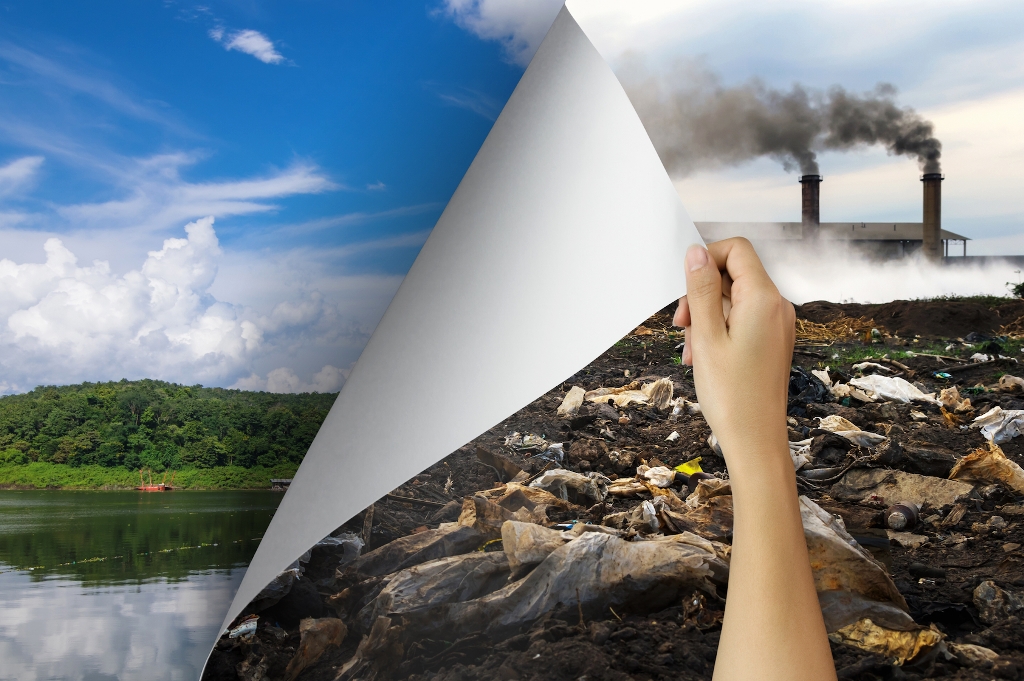
In the realm of industrial cleaning and maintenance, the quest for methods that are not only effective but also environmentally friendly has become increasingly important. Traditional cleaning techniques, while widely used, often come with a range of environmental concerns, including chemical pollution, water usage, and energy inefficiency. Amidst these concerns, laser cleaning emerges as a groundbreaking technology, offering a potent alternative that aligns with contemporary environmental standards.
Laser cleaning is a process that employs concentrated laser beams to remove unwanted materials like rust, paint, or contaminants from various surfaces. This technique, revered for its precision and efficiency, has seen a surge in popularity across numerous industries, from aerospace to cultural heritage conservation. Unlike its traditional counterparts, laser cleaning operates without direct contact with the surface being cleaned, eliminating the need for abrasive materials or harmful chemicals.
The objective of this article is to delve into the environmental advantages of laser cleaning compared to traditional methods. We will explore how this innovative technology not only enhances cleaning efficiency but also significantly reduces the environmental footprint of industrial cleaning processes. Through this exploration, we aim to illuminate the pivotal role that laser cleaning can play in paving the way for more sustainable industrial practices.
Overview of Traditional Cleaning Methods
Description of Common Traditional Cleaning Methods
- Chemical Cleaning: This method involves the use of various chemical solutions to remove dirt, grease, scale, or other contaminants from surfaces. The chemicals used can range from mild detergents to strong acids or alkalis, depending on the nature of the contamination and the material of the surface being cleaned.
- Abrasive Cleaning: In abrasive cleaning, physical abrasives like sand, beads, or other granular materials are used to scrub the surface clean. This method is often employed for removing rust, paint, or other coatings from metal surfaces. The abrasiveness of the cleaning material can vary to suit different levels of contamination and surface sensitivity.
- Sandblasting: A specific form of abrasive cleaning, sandblasting involves projecting sand at high velocities towards a surface to clean it. It is particularly effective for removing stubborn coatings and contaminants but can be harsh on the underlying material.
- Others: There are other traditional cleaning methods like power washing, manual scrubbing, and solvent cleaning, each with its specific applications and limitations.
Environmental Impact of Traditional Methods
Use of Chemicals and Their Disposal: Many chemical cleaning agents contain toxic substances that can be harmful to the environment. The disposal of these chemicals poses significant environmental risks, including soil and water pollution. Moreover, the production of these chemicals often involves processes that release harmful emissions into the atmosphere.
- Emission of Particulates and Dust: Abrasive methods like sandblasting emit large amounts of particulate matter into the air, contributing to air pollution. These particulates can be harmful to both the environment and human health, particularly in cases where toxic materials like lead-based paints are being removed.
- Water Consumption and Contamination: Methods like power washing require significant amounts of water, contributing to water scarcity issues. Additionally, the runoff water from such cleaning processes can carry pollutants, leading to the contamination of water bodies and affecting aquatic ecosystems.
- Energy Consumption: Traditional cleaning methods often require high levels of energy, especially when heating is involved in chemical cleaning or when high-powered equipment is used for abrasive methods. This energy consumption contributes to the overall carbon footprint of the cleaning process.
Understanding these environmental impacts is crucial as we move towards comparing these traditional methods with laser cleaning, which offers a more eco-friendly alternative.
Introduction to Laser Cleaning Technology
Basic Principles of Laser Cleaning
Laser Cleaning Mechanics: Laser cleaning operates through the principle of ablation, where a high-intensity laser beam is directed towards the surface to be cleaned. The energy of the laser is absorbed by the unwanted material on the surface, such as rust, paint, or dirt. This absorption causes the material to either vaporize or flake off, leaving the underlying surface intact and clean. The precision of the laser beam allows for selective removal of contaminants without damaging the surface.
Types of Lasers Used: There are several types of lasers used in cleaning applications, each suited to different tasks based on their wavelength and power output. The most common types include:
- Fiber Lasers: Known for their efficiency and versatility, fiber lasers are widely used for cleaning metal surfaces.
- CO2 Lasers: Typically used for cleaning organic materials or for tasks requiring larger beam sizes.
- Nd:YAG Lasers: These are used for their high peak power and deep penetration, suitable for removing strong coatings.
Advancements in Laser Cleaning Technology
Recent Technological Improvements: Recent advancements in laser technology have significantly enhanced the efficiency and effectiveness of laser cleaning. Innovations include the development of pulsed laser systems, which are more effective in removing contaminants with minimal heat damage to the substrate. Automated laser cleaning systems have also been introduced, allowing for precise control and repeatability, essential in industrial applications.
Increasing Accessibility and Cost-effectiveness: Initially, the high cost of laser cleaning equipment limited its use to niche applications or large-scale industries. However, recent years have seen a decrease in the cost of laser technology, making it more accessible to a broader range of users, including small and medium-sized enterprises. Moreover, the long-term cost benefits, such as reduced need for consumables (like chemicals or abrasives), lower energy consumption, and minimal maintenance, contribute to the growing popularity of laser cleaning over traditional methods.
The evolution of laser cleaning technology not only enhances its applicability across various sectors but also reinforces its role as an environmentally sustainable cleaning solution. The next sections will delve deeper into the specific environmental benefits of laser cleaning, setting the stage for a comprehensive understanding of its advantages over traditional methods.
Environmental Advantages of Laser Cleaning
Reduction in Chemical Use and Waste
- Elimination of Hazardous Chemicals: One of the most significant environmental benefits of laser cleaning is its ability to eliminate the need for hazardous chemical cleaners. Traditional methods often rely on chemicals that can be toxic, corrosive, and harmful to both the environment and human health. Laser cleaning, in contrast, uses no chemicals, reducing the risk of chemical spills and contamination.
- Minimizing Waste Production: Laser cleaning produces minimal waste compared to traditional methods. The process typically generates only a small amount of dust and debris, which can be easily collected and disposed of safely. This contrasts sharply with the large amounts of waste (like used abrasives, contaminated water, and chemical sludge) generated by conventional cleaning techniques, which require careful handling and disposal to avoid environmental harm.
Lower Energy Consumption
- Energy Efficiency of Laser Systems: Modern laser cleaning systems are designed to be highly energy-efficient. They often consume less power compared to the heavy machinery used in traditional cleaning methods such as sandblasting or high-pressure water jets. Furthermore, laser systems can be precisely controlled and directed to specific areas, reducing unnecessary energy expenditure.
- Comparison with Traditional Methods: When compared with traditional cleaning methods, laser cleaning typically requires less overall energy. This is particularly evident in the reduced need for heating chemicals or generating high-pressure water or air streams, all of which are energy-intensive processes.
Reduction in Air and Water Pollution
- No Particulate Emissions: Unlike abrasive methods like sandblasting, laser cleaning does not emit particulates into the air. This absence of airborne dust and particles is a significant environmental advantage, contributing to better air quality and reducing the risk of respiratory problems among workers and nearby populations.
- Lack of Water Usage and Contamination: Laser cleaning does not involve water, which is a stark contrast to methods like power washing. This not only conserves water but also prevents water pollution, as there is no runoff carrying contaminants into soil and water bodies.
Safety and Health Benefits
- Reduced Health Hazards for Operators: The non-contact nature of laser cleaning minimizes the risk of physical injury to operators. Moreover, the absence of hazardous chemicals and airborne particulates makes it a safer option, reducing exposure to substances that could cause long-term health issues.
- Lower Risk of Accidents: Since laser cleaning is a more controlled process and does not involve handling hazardous materials, the risk of accidents such as chemical spills, explosions, or physical injuries from abrasive materials is significantly reduced. This enhances workplace safety and contributes to a healthier work environment.
These environmental advantages position laser cleaning as a preferable choice for industries looking to adopt greener practices. Its contribution to reducing pollution, conserving resources, and enhancing safety standards underscores the technology’s role in promoting sustainable industrial operations.
Case Studies and Applications
Industrial Applications
Laser Cleaning in the Automotive Industry: In the automotive sector, laser cleaning is used for tasks such as removing rust, degreasing parts, and preparing surfaces for painting or welding. For example, in car restoration, lasers effectively remove old paint and rust without damaging the underlying metal, offering a more precise and less abrasive option than traditional methods.
- Aerospace Applications: The aerospace industry utilizes laser cleaning for the meticulous task of removing coatings and contaminants from sensitive aircraft components. The precision of laser cleaning ensures that the integrity of these critical parts is not compromised, an essential factor in an industry where safety is paramount.
- Historical Preservation and Art Restoration: Laser cleaning plays a significant role in the preservation of cultural heritage. It’s used to gently clean historic buildings, monuments, and artworks, removing centuries of pollution and contamination without harming the original materials.
- Marine Industry: In ship maintenance, laser cleaning is employed to remove biofouling and corrosion from hulls and decks. This method is particularly advantageous as it avoids the use of harsh chemicals and abrasive techniques that can harm marine ecosystems.
Environmental Impact Assessments
- Case Study in the Automotive Industry: A comparative study between traditional abrasive methods and laser cleaning for removing paint from car bodies showed a significant reduction in waste production and energy consumption with laser cleaning. The study also noted a decrease in airborne pollutants, contributing to a healthier work environment.
- Aerospace Industry Analysis: An environmental assessment in the aerospace industry revealed that replacing chemical stripping with laser cleaning for aircraft maintenance resulted in a drastic reduction in hazardous waste disposal. The use of laser technology also led to lower water and energy consumption.
- Quantitative Analysis in Art Restoration: In a project involving the restoration of a historic statue, laser cleaning was quantitatively shown to be more efficient and less damaging than chemical methods. The absence of chemical residues and reduced physical contact with the statue’s surface highlighted the environmental and conservation benefits of laser cleaning.
- Qualitative Benefits in Marine Applications: The qualitative benefits of using laser cleaning for ship maintenance include the prevention of toxic antifouling paint particles from entering the ocean, contributing to marine conservation efforts. Additionally, the lack of water and chemical usage was noted as a significant advantage in reducing environmental impact.
These case studies and applications across diverse industries illustrate the broad-ranging environmental benefits of laser cleaning. By providing a more sustainable alternative to traditional methods, laser cleaning not only addresses immediate cleaning needs but also aligns with global efforts towards environmental conservation and sustainability.
Challenges and Limitations of Laser Cleaning
Technical Limitations
- Material Limitations and Suitability: While laser cleaning is versatile, it is not universally applicable to all materials. Certain substrates, especially those that are highly reflective or heat-sensitive, can be challenging to clean with lasers. For instance, materials like thin plastics or certain types of glass may warp or crack under the laser’s heat. Additionally, the effectiveness of laser cleaning can vary depending on the type of contaminant and its bonding strength to the substrate.
- Size and Scale Constraints: The efficiency of laser cleaning can diminish over larger areas due to the typically focused nature of laser beams. Cleaning large structures like ships or extensive surfaces can be more time-consuming and less feasible with lasers than with traditional methods like sandblasting. Moreover, the size of the laser equipment itself may limit its applicability in confined or hard-to-reach areas.
Economic Considerations
- Initial Investment Costs: One of the most significant barriers to the adoption of laser cleaning technology is the high initial cost of the equipment. Advanced laser systems can be a substantial investment, particularly for small and medium-sized enterprises. This cost includes not only the laser device itself but also safety equipment, like protective eyewear and enclosures to prevent laser exposure.
- Maintenance and Operation Expenses: While laser cleaning systems generally have lower long-term operational costs compared to traditional methods, they do require regular maintenance to ensure their efficiency and longevity. This maintenance can include calibration, cleaning of lenses, and replacement of parts, which can be costly. Furthermore, operating a laser cleaning system requires skilled personnel trained in both the technical aspects of laser operation and safety protocols, potentially adding to labor costs.
Despite these challenges and limitations, the benefits of laser cleaning, particularly in terms of environmental impact and precision, make it a compelling choice for many applications. However, it’s crucial for businesses and organizations to weigh these factors against their specific needs and capacities to determine if laser cleaning is the most suitable option for them. As the technology continues to advance and become more accessible, it’s likely that many of these challenges will be mitigated, further broadening the applicability of laser cleaning.
The Future of Laser Cleaning in Sustainable Practices
Emerging Trends and Future Developments
- Innovations in Laser Technology: The field of laser cleaning is poised for significant advancements in the coming years. Innovations are expected to focus on increasing the efficiency, speed, and range of laser cleaning applications. Developments like the use of AI and machine learning for automated and precise control of laser systems, and the creation of more compact, portable, and versatile laser cleaning machines are on the horizon. These advancements will likely expand the usability of laser cleaning in a broader array of applications and industries.
- Integration with Other Sustainable Practices: Laser cleaning is increasingly being viewed not just as a standalone solution but as part of a larger ecosystem of sustainable practices. For instance, integration with renewable energy sources like solar or wind power could further reduce the carbon footprint of laser cleaning operations. Additionally, using laser cleaning in recycling and refurbishing processes can extend the life of products and components, aligning with circular economy principles.
Policy and Regulatory Landscape
- Environmental Regulations Influencing Adoption: Environmental regulations and policies are expected to play a significant role in the adoption of laser cleaning technologies. As governments and international bodies impose stricter regulations on waste management, emissions, and chemical use, industries will likely turn to greener alternatives like laser cleaning. Policies that limit the use of certain chemicals or that impose fines for environmental damage can act as catalysts for the adoption of laser technology.
- Incentives for Green Technologies: Governments and environmental agencies may offer incentives to encourage the adoption of environmentally friendly technologies like laser cleaning. These incentives could include tax breaks, subsidies, grants, or other financial support for companies investing in green technologies. Such initiatives not only make laser cleaning more economically viable for businesses but also demonstrate a commitment to sustainable industrial practices at the policy level.
The future of laser cleaning in sustainable practices appears bright, with technological innovations and supportive policies converging to enhance its attractiveness and feasibility. As industries increasingly recognize the need for environmentally responsible operations, laser cleaning is likely to play a key role in this transition, offering a powerful tool for achieving both operational efficiency and environmental sustainability.
Conclusion
The exploration of laser cleaning technology in this article illuminates its significant environmental advantages over traditional cleaning methods. By eliminating the need for hazardous chemicals, significantly reducing waste production, and curtailing energy consumption, laser cleaning stands out as a greener and more sustainable alternative. Its lack of particulate emissions and minimal water usage further underscore its role in reducing air and water pollution, making it a key player in the pursuit of eco-friendly industrial processes.
The environmental benefits of laser cleaning are not limited to a single industry but span across various sectors, from automotive and aerospace to cultural heritage preservation and marine applications. The technology’s versatility, coupled with its precision and efficiency, makes it an invaluable tool in diverse settings, aligning with global efforts to minimize environmental impact.
However, the adoption of laser cleaning does not come without challenges. Technical limitations related to material suitability and scalability, along with economic considerations like initial investment costs and ongoing maintenance, must be carefully weighed. Yet, the trajectory of laser cleaning technology is one of rapid advancement and increasing accessibility, suggesting that many of these challenges are surmountable in the near future.
The policy and regulatory landscape is also evolving to support environmentally friendly technologies like laser cleaning. As governments and regulatory bodies tighten environmental regulations and offer incentives for green technologies, the adoption of laser cleaning is likely to accelerate.
In conclusion, laser cleaning represents a significant step forward in the quest for sustainable industrial practices. Its environmental benefits are clear and compelling, advocating for its wider adoption across industries. Continued research and development in this field, alongside supportive policies and initiatives, are crucial in harnessing the full potential of laser cleaning. By embracing such innovative technologies, industries can not only meet their operational needs but also contribute to a healthier and more sustainable future.